The birds of the château rock
Why the rock works
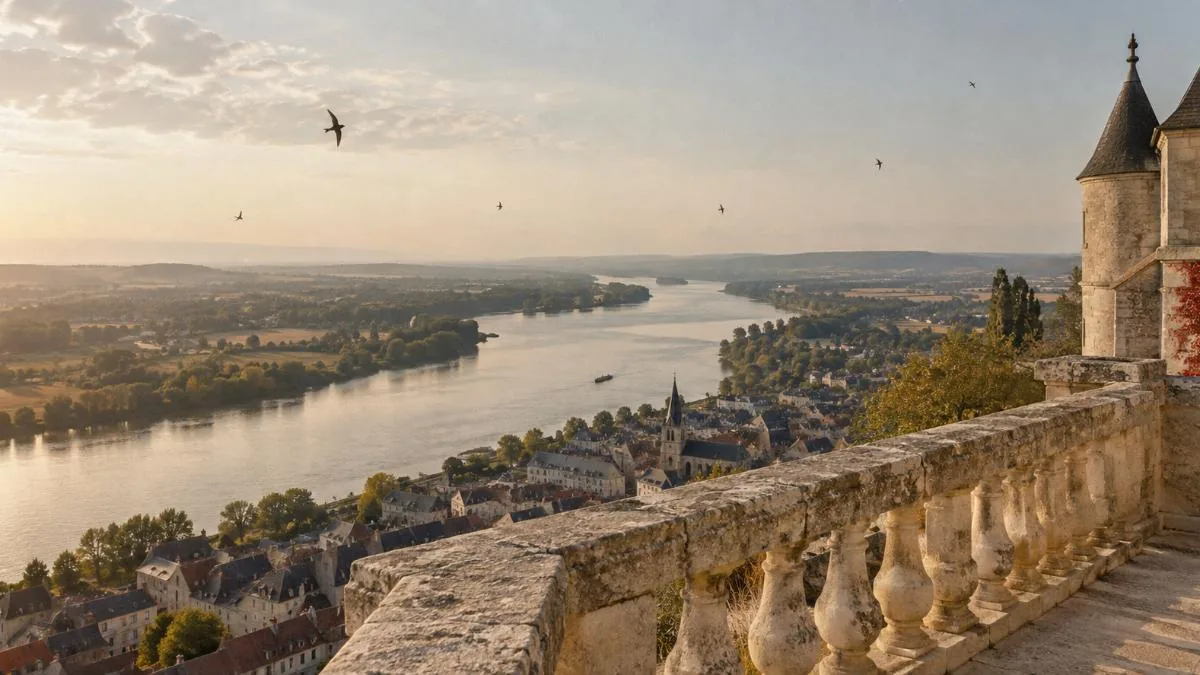
The Loire here is wide, shallow and full of sandbanks, which feeds one set of birds, and the château sits on a tufa cliff, which houses a completely different set. Put a garden on top of the cliff and you have three habitats within a hundred metres of each other. That is the whole explanation for the species count.
What you will actually see
In summer, swifts — screaming parties of them working the cliff face at eye level from the terrace, which is a genuinely startling thing to have happen beside you. House martins nesting under the parapets. A kestrel hanging over the gardens most afternoons. On the river below, little egrets standing in the shallows, grey herons, and in season the terns that nest on the sandbanks and are the reason parts of the Loire are protected.
In the gardens: blackcaps and chiffchaffs singing from the hedges, green woodpeckers on the lawns, and enough finches to keep children occupied. In winter the river is better than the rock — wildfowl come down and the sandbanks fill.
How to watch without wasting your visit
You do not need to plan anything. Walk to the west end of the terrace, described on the terrace page, and stand with your back to the buildings for five minutes. Binoculars help enormously and almost nobody brings them. If you are here with children this is the part that will hold them longest — see visiting with children.
Early June, mid-morning, at the parapet: the swifts are feeding young and pass within a few metres of the wall. It is the single best free thing on the site and it is not mentioned on any sign.
What there is to book
Not the entrance ticket — that is bought at the château’s own desk when you arrive. What is bookable is the guiding, and the day trips that include entry to Amboise along with the other Loire châteaux.
Frequently asked questions
Do I need binoculars?
No, but they change the terrace completely, and the river birds below are too far for the naked eye.
When is the birdlife best?
May to July for the cliff and garden birds; winter for wildfowl on the river.
Are there peregrines?
They are recorded in the valley and hunt the river corridor; they are not a reliable sighting on any given day.